
Building Your Ceremony Practice
You've Been Called to Officiate. How Do You Begin?
You've learned to hold sacred space, honor different traditions, and be present for life's important moments. But when it comes to officiating weddings, you may still have questions.
How do you find your voice? How do you create a ceremony that truly reflects a couple's story? What do you need to know about legal requirements, contracts, pricing, and building a practice?
Feeling called to officiate is one thing. Knowing how to build a practice around that calling is another.
Join Rev. Lauri Ingram, an interfaith minister who has officiated more than 100 weddings, for two Saturdays devoted to the spiritual and practical work of becoming a wedding officiant.
After years of working with couples, Lauri has learned that writing a ceremony is rarely the hardest part. The real work is listening, understanding family dynamics, and helping couples express what matters to them, especially when they haven't yet found the words themselves.
Together, we'll explore how to find your niche, develop confidence in your voice, work thoughtfully with couples from different backgrounds, and manage the responsibilities of an officiant practice.
You'll also learn about the practical side of the work, from legal requirements and ceremony logistics to pricing and reaching potential clients.
By the end of the workshop, you'll have a clearer sense of the couples you want to serve, a better understanding of what the work requires, and a plan for getting started.
Saturdays, February 13 & 20, 2027
10 AM – 3 PM ET
Live on Zoom · Recording included
General Public $160 · OSLA Affiliated Alumni $125
What We'll Explore
Finding Your Calling as an Officiant
What kind of officiant do you want to be, and who do you feel called to serve?
Being ordained or legally authorized to officiate is different from building a practice. We'll begin by exploring your values, strengths, and interests, and how they might shape the work you offer.
Through guided reflection and small-group conversation, you'll start identifying your niche and practicing how to describe your calling with confidence.
Finding Your Officiant Voice
How do you lead a ceremony with confidence while remaining yourself?
We'll explore public speaking, presence, and the ways language and intention help create a ceremony that feels personal and sincere.
You'll practice bringing your own voice into the work without making yourself the center of attention. We'll also consider how to honor the sacred in ceremonies that may be religious, interfaith, spiritual but not religious, or entirely secular.
Drawing Out the Ceremony
How do you help a couple create a ceremony that reflects who they really are?
Every couple brings a different story, family dynamic, and relationship to spirituality. Some know exactly what they want. Others may struggle to explain what matters to them or how they want their ceremony to feel.
Through case studies and group discussion, we'll practice the skills of building rapport, asking thoughtful questions, and listening for what a couple may not yet know how to express. We'll also explore cultural sensitivity, family expectations, and the responsibility of incorporating rituals from traditions outside our own.
The goal is to help couples create ceremonies that reflect their values and experiences rather than relying on a standard script.
Building the Practice
What does it take to turn your skills into a working officiant practice?
We'll cover the practical responsibilities of officiating, including legal requirements, licensing where applicable, recordkeeping, contracts, pricing, marketing, and ceremony logistics.
You'll learn how to assess the requirements in your own location and consider what changes when you're officiating a small elopement versus a wedding with hundreds of guests. We'll also touch on ways some officiants expand their services, including premarital coaching and covenant work.
You'll finish by identifying one concrete next step for your practice.
What You'll Take Away
A Clearer Sense of Your Calling
Identify the clients you hope to serve and develop language for explaining your approach as an officiant.Greater Confidence in Your Voice
Practice presence and public speaking so you can lead a ceremony with confidence while keeping the focus on the couple.Skills for Creating Personal Ceremonies
Learn how to ask better questions, listen more deeply, and help couples develop ceremonies that reflect their relationships, beliefs, and values.Tools for Navigating Complex Situations
Explore approaches to difficult or complex family dynamics, cultural differences, and spiritual traditions that respect the clients’ choices and experiences.A Practical Foundation for Your Work
Receive a workbook, ceremony-creation resources, and a self-audit checklist to help you understand the legal and operational responsibilities of officiating.A Plan for Your Next Step
Leave with a specific direction for your practice and an action you can begin taking after the workshop.
How We’ll Learn Together
This workshop combines reflection, conversation, practical instruction, and opportunities to practice. Each Saturday will include grounding exercises, guided journaling, real-world examples, and small-group discussions.
Lauri will share anonymized situations from her experience officiating weddings, including the challenges that can arise when couples have different spiritual backgrounds, complicated family relationships, or difficulty expressing what they want.
We'll use these examples to explore how an officiant can listen carefully, ask thoughtful questions, and help couples make decisions that feel right for them.
During the workshop, you'll have opportunities to:
Reflect on your calling and the kind of officiant you want to become.
Practice speaking about your work with clarity and confidence.
Explore public-speaking and presence techniques.
Discuss real ceremony situations and possible approaches.
Consider how to honor cultural and spiritual differences.
Work through practical questions about building your practice.
Connect with other participants who share an interest in officiating.
You'll work with a participant workbook throughout the sessions, using it to record your reflections, exercises, and next steps.
The workshop also draws on three of Wayne Teasdale's interspiritual principles: mature self-knowledge, humility of heart, and love in action.
These principles are woven into the practical work of officiating: understanding your own values, recognizing when to step back and listen, and offering your skills in service of the people before you.
Who Should Attend?
If You're Newly Ordained or Just Getting Started
You may have the spiritual training and desire to officiate but aren't sure how to begin building a practice. This workshop will help you understand the responsibilities involved, find your niche, and develop the confidence to take your first steps.
If You're Already Officiating Weddings
Perhaps you've officiated a few ceremonies but want to become more intentional about your process, strengthen your work with couples, or develop a more sustainable practice. You'll have opportunities to examine your approach, learn from real situations, and identify areas for growth.
If You're Exploring Wedding Officiating
You may be a minister, celebrant, spiritual practitioner, or person called to service wondering whether officiating weddings is something you'd like to pursue. This workshop offers a closer look at what the work involves, both during the ceremony and behind the scenes.
All Are Welcome
You don't need to follow a particular spiritual tradition, or any at all, or have experience or knowledge about officiating. All are welcome, including One Spirit students, graduates, ministers, celebrants, and others interested in becoming wedding officiants or people encountering our community for the first time.
About Your Facilitator
“Most officiant training, where it exists at all, teaches either the spiritual and ceremonial side or the business, marketing, and legal side — rarely both together, and rarely as one continuous act of service. This workshop holds them as inseparable: a sustainable practice cannot be built on unclear calling, and calling alone does not legally marry a couple.”
—Rev. Lauri
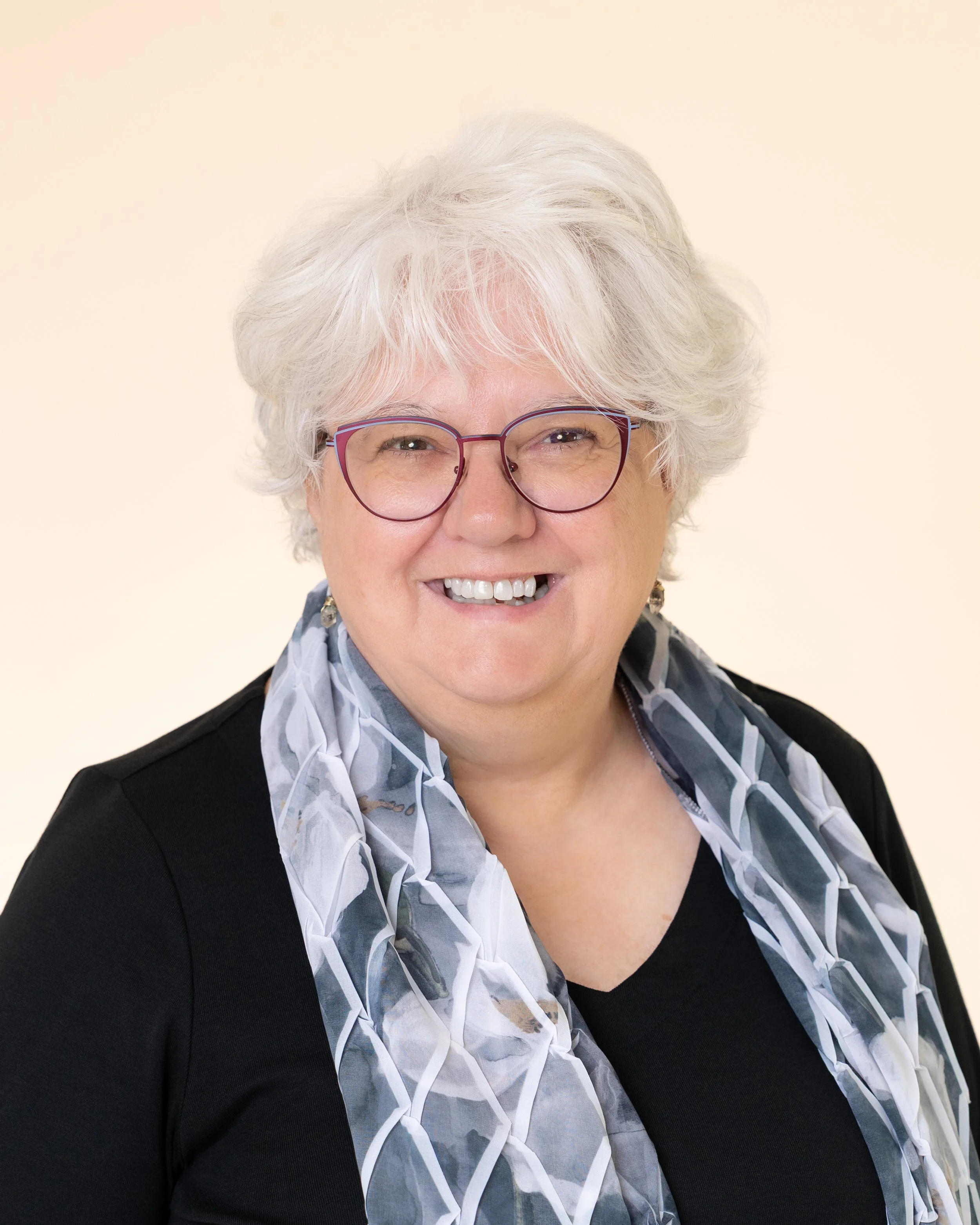
Rev. Lauri Ingram is an interfaith minister and wedding officiant who has officiated more than 100 weddings since her ordination in 2019, from intimate elopements to large celebrations.
She has received WeddingWire's Couples' Choice Award from 2023 through 2026, The Knot's Best of Weddings recognition from 2023 through 2026, Hall of Fame distinction, and Zola's Best of 2026.
Drawing on a corporate background, formal public-speaking training, and more than a decade of workshop facilitation, Lauri brings both practical experience and a thoughtful approach to ceremony creation.
Her work centers on helping couples discover what they want their ceremony to express, particularly when their beliefs, family relationships, or personal stories don't fit a traditional template.
She now shares what she's learned with others who want to build officiant practices that are personal, professional, and grounded in service.
Registration Details
What Your Registration Includes
Two live interactive workshop sessions with experienced officiant Rev. Lauri Ingram
Workshop recordings for each week, accessible through June 30, 2027.
A participant workbook and ceremony-creation resources.
Guided reflection and practical exercises.
Real-world case studies and small-group discussion.
A self-audit checklist for legal and operational requirements.
Opportunities to connect with other aspiring and practicing officiants.
Registration Pricing
Public: $160 · OSLA Affiliated Alumni: $125
Taking more than one workshop? Buy 3, save 15%. Buy 4, save 20%!
Discount applied automatically at checkout.OSLA Alumni: Log in to your OSLA Portal to apply your affiliate discount.
Not affiliated yet? Learn More about Affiliation
After You Register
You'll receive a confirmation email with instructions for accessing the workshop's Hylo Course Board, where you'll find the course Zoom link, workshop materials, and additional details for participation.
Can't attend live? The recording will be available within 72 hours of the workshop to the Hylo Course Board.
Questions? Contact help@1spirit.org.